


Restless Sleep & Trouble Falling Asleep
One of the most common sleep disorders in adults, with far-reaching consequences for body and mind.

Restless Nights and Trouble Falling or Staying Asleep
People with sleep problems - a widespread phenomenon from age 30
Trouble falling asleep is one of the most common sleep disorders, especially among adults over 30 who perform a lot during the day and find it hard to switch off in the evening.
You feel tired, but as soon as you lie in bed, your body is still in “on” mode. Thoughts circle, sleep takes its time, sometimes for hours. Even if you eventually fall asleep, the sleep is often shallow, interrupted and not restful.
The consequences show the next day: energy is lacking, concentration is difficult, and even small challenges feel exhausting. Anyone who persistently has trouble falling asleep quickly ends up in a vicious circle of tiredness, frustration and inner restlessness.
Yet there are scientifically founded ways to help the body fall asleep again, without side effects and tiredness the next day.
Sleep doesn't begin in the head, but in the cells of your body
Sleep is not a passive state, but a highly complex biological process. For us to wind down in the evening and fall asleep, numerous mechanisms have to work together in the background.
If you can't fall asleep in the evening, it's often not because of “too many thoughts”, but because of a body that is not yet biochemically in rest mode. Your system is still sending the wrong signals: active instead of regenerative. That's why it's so important to support these processes in a targeted way - with routines, nutrients and a stable rhythm.

Trouble Falling Asleep - The Most Common Triggers
However individual sleep problems may seem – the underlying triggers are similar for many people. They disrupt the natural processes that are meant to bring your body to rest in the evening and keep it in “wake mode”.

Too much stress during the day keeps your nervous system active – that makes falling asleep hard.

Too much light in the evening disrupts the release of your sleep hormone – you don't get properly tired.

Inflammation and cell stress in the body can prevent you from properly winding down in the evening.

Magnesium helps muscles and nerves relax – if it's lacking, the body stays in “tension mode” in the evening.

What Poor Sleep Does to Your Body
Even one week of too little sleep – for example, only six hours a night – can have noticeable effects on your body. Scientists have found that over 700 genes change in their activity as a result.
Particularly affected are precisely the genes responsible for important functions:
- Cell repair
- Immune system
- Stress regulation
- Inflammation defense
At the same time, protective processes in the body are shut down, e.g. those that keep you resilient or ensure healthy cell division.
What does that mean for you in practice?
If you sleep poorly over the long term, your body can recover less well. You're more susceptible to infections, more inwardly restless, and you often lack the strength you need for everyday life. Inflammation in the body can also intensify unnoticed.
That's why healthy sleep is not just “recovery”, but a central prerequisite for health, energy and long-term performance.
Glycine, magnesium and cysteine support the body in finding natural calm in the evening, with no tiredness during the day.

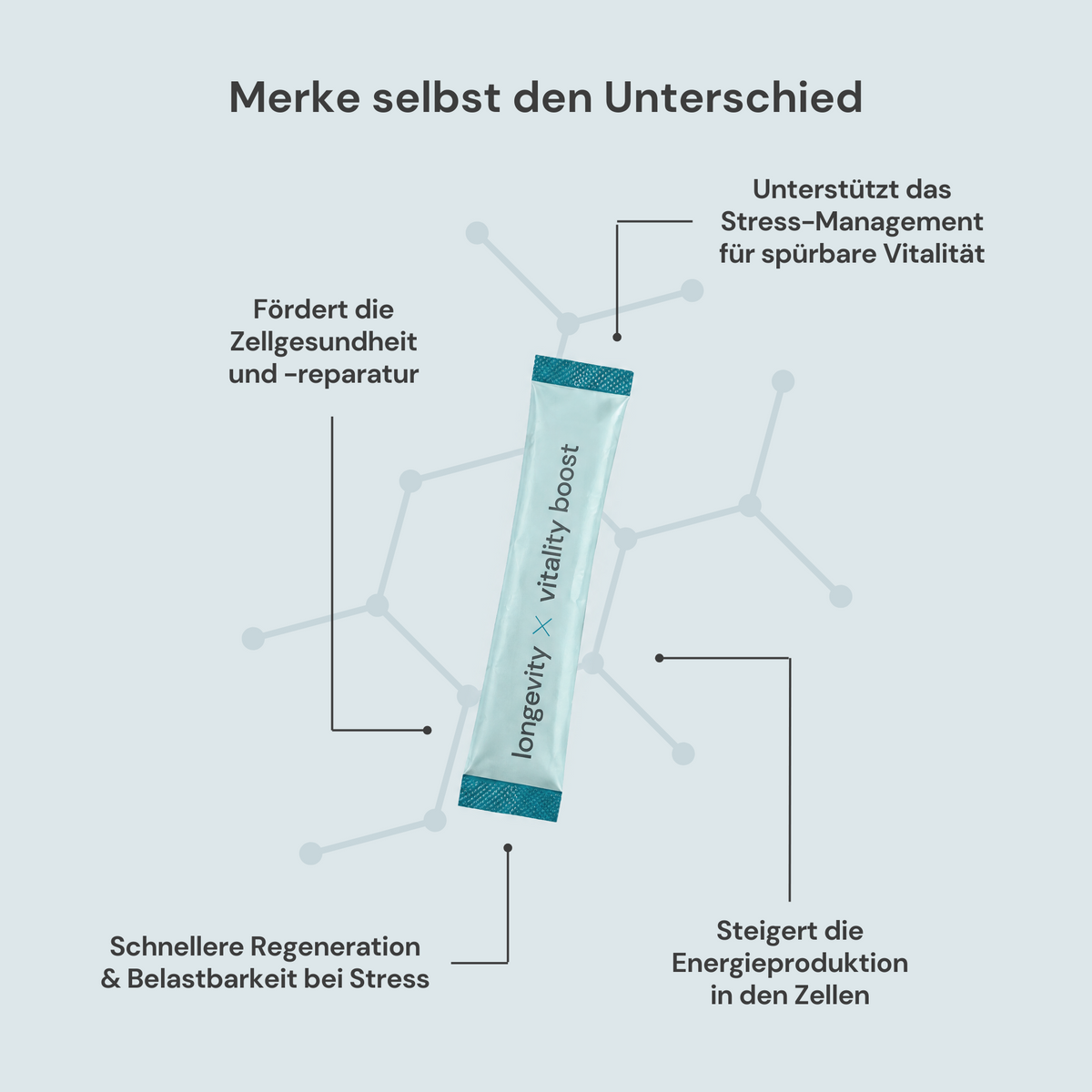
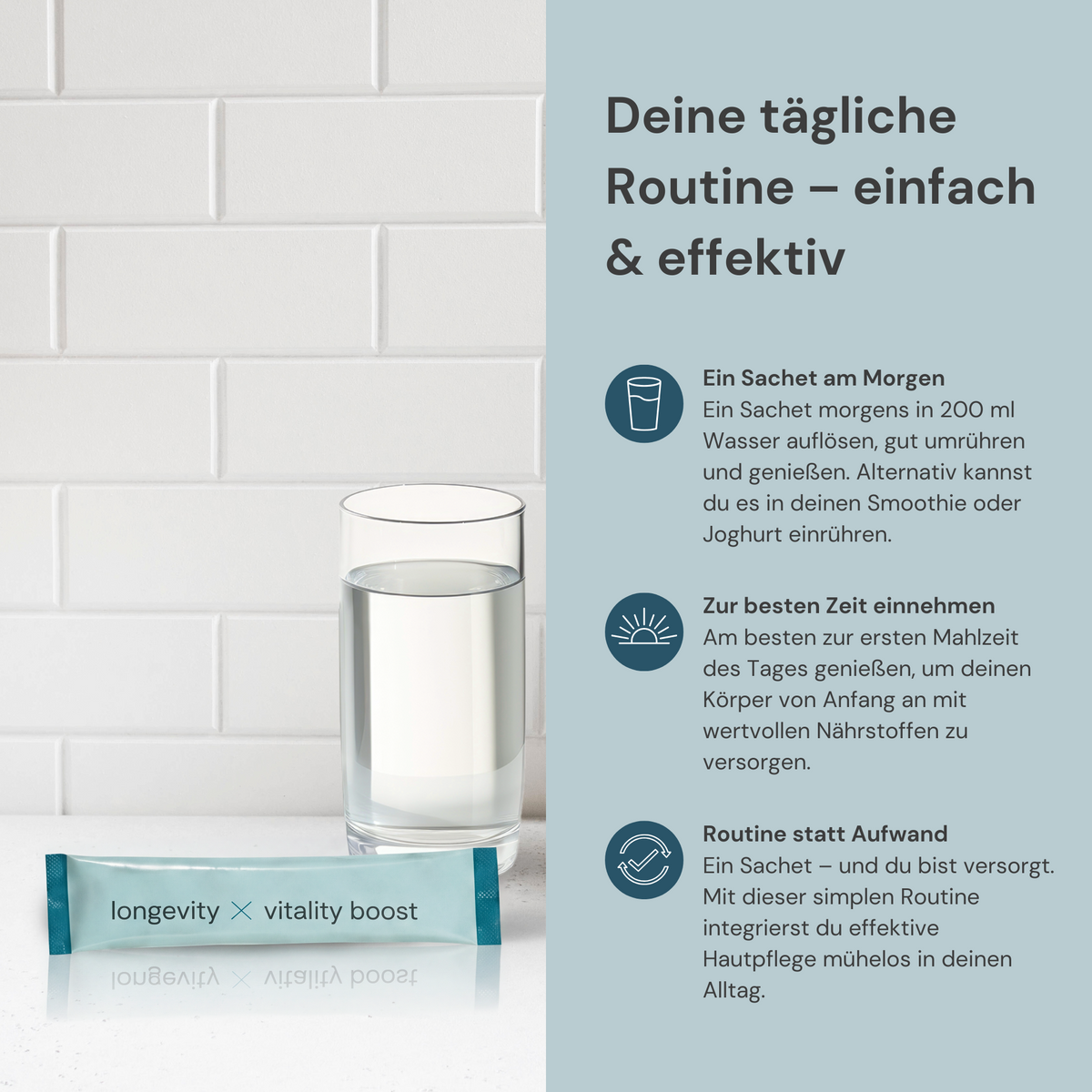


- Flavour: ginger-lemon
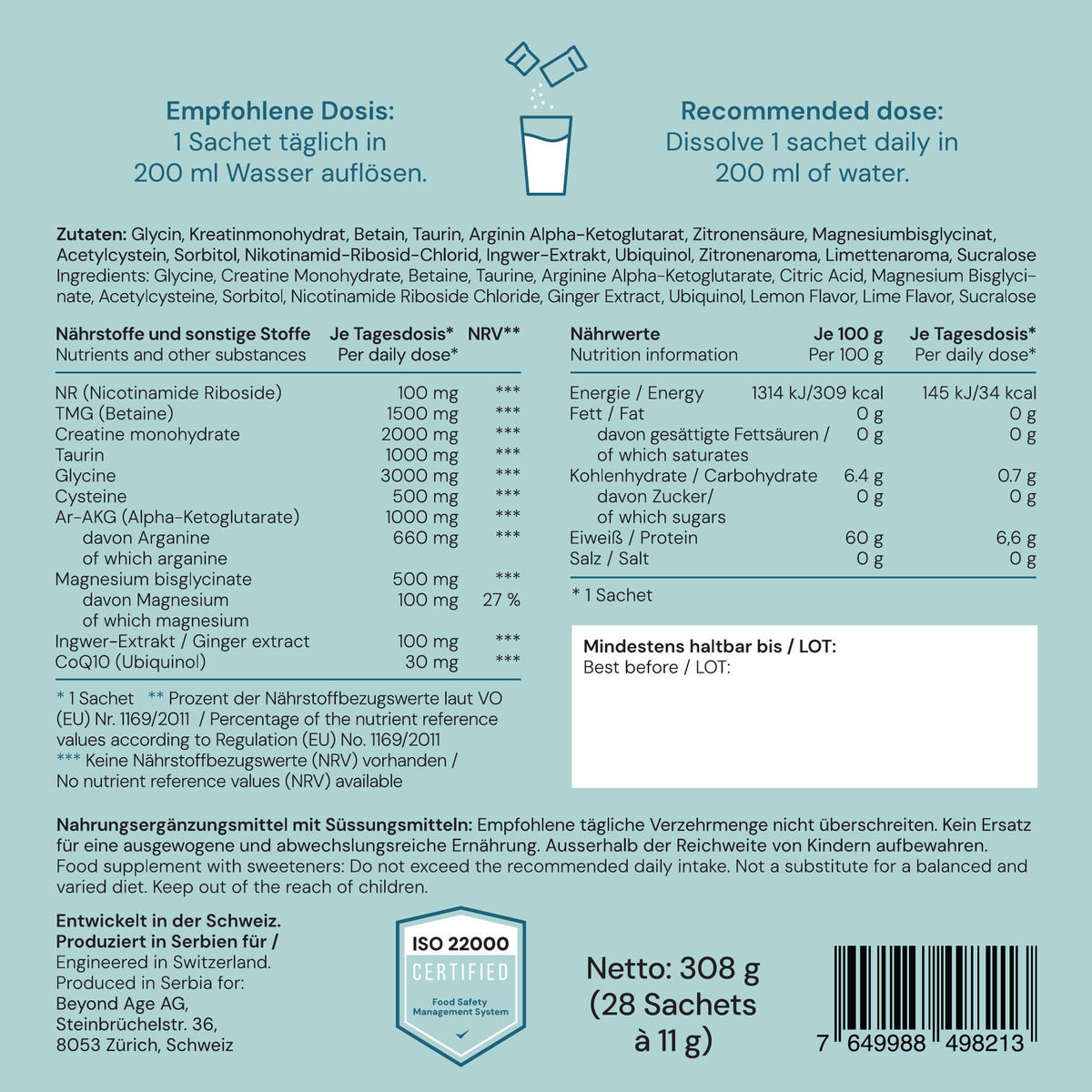
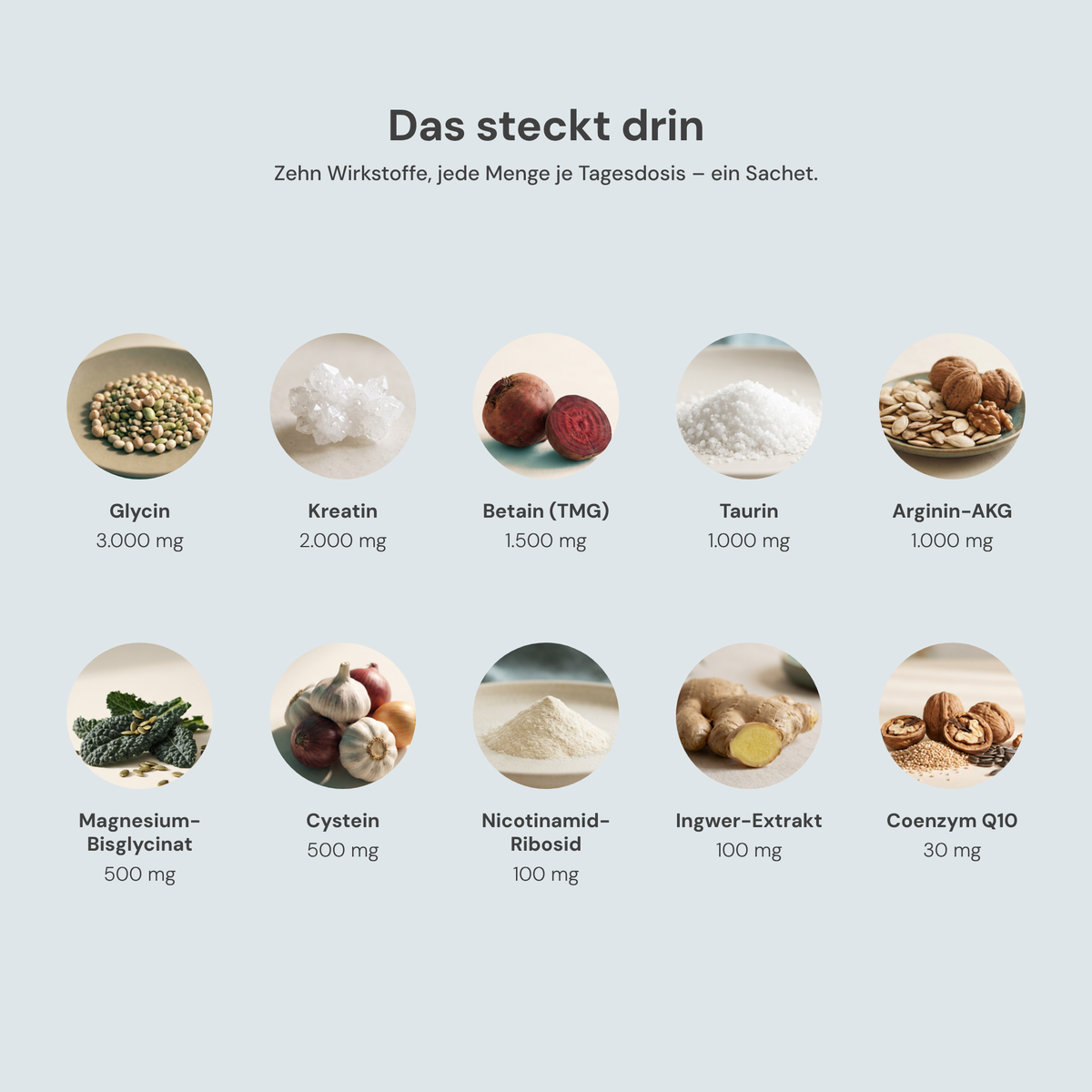
- Ten active ingredients in one sachet: glycine, creatine monohydrate, betaine (TMG), taurine, arginine-AKG, magnesium bisglycinate, cysteine, nicotinamide riboside, ginger extract and coenzyme Q10
- Magnesium contributes to normal energy-yielding metabolism and to the reduction of tiredness and fatigue
- Betaine (TMG), 1,500 mg per sachet, provides methyl groups for one-carbon metabolism
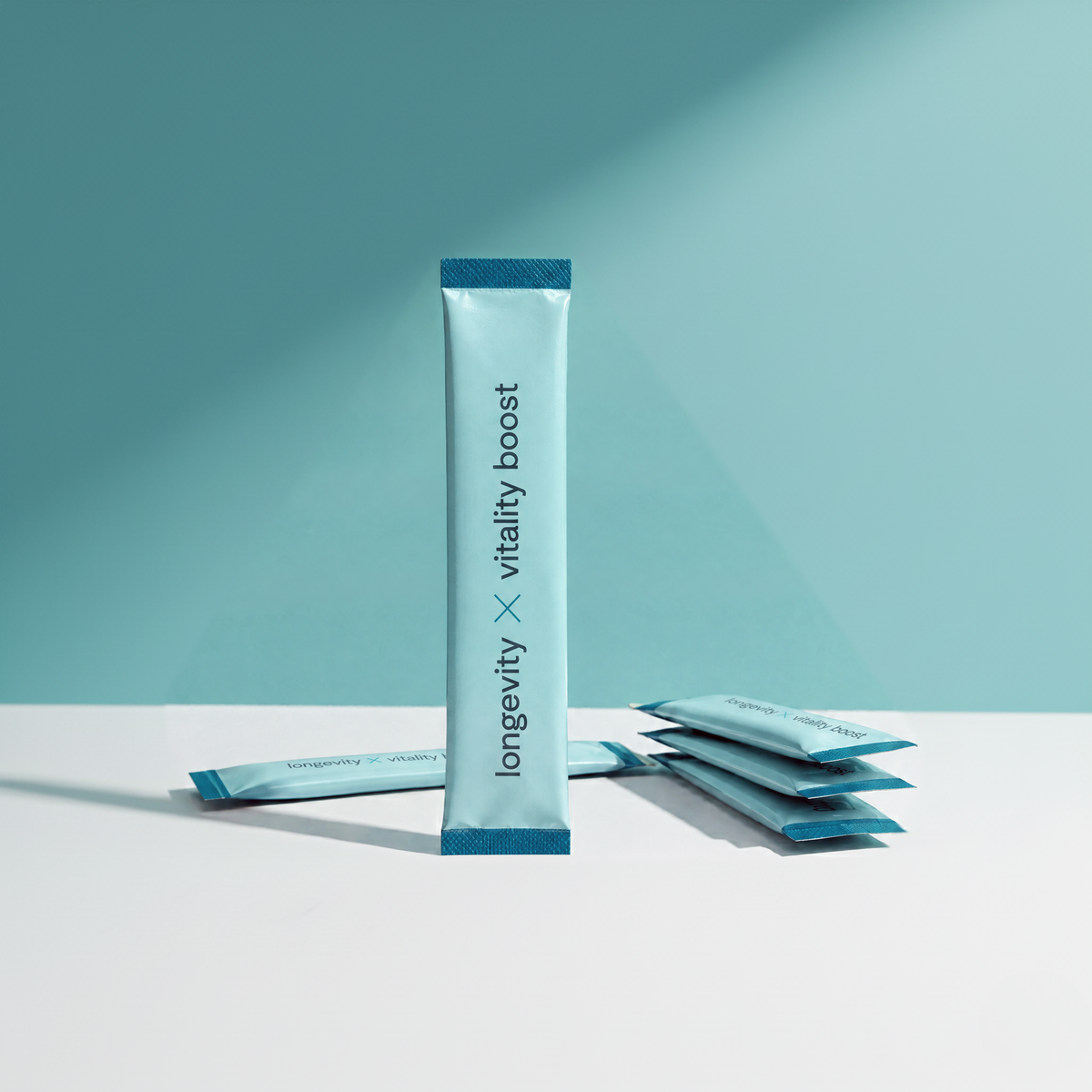
- Contents: 28 sachets of 11 g (4 weeks), net 308 g
- Food supplement with sweeteners
- 30-day money-back guarantee

Longevity X Core - Our Recommendation for Restful Sleep
When your mind won’t settle in the evening, suppressing symptoms doesn’t help – what helps is supporting your body to find its way back into sleep mode on its own. That’s exactly what Longevity X Core does:
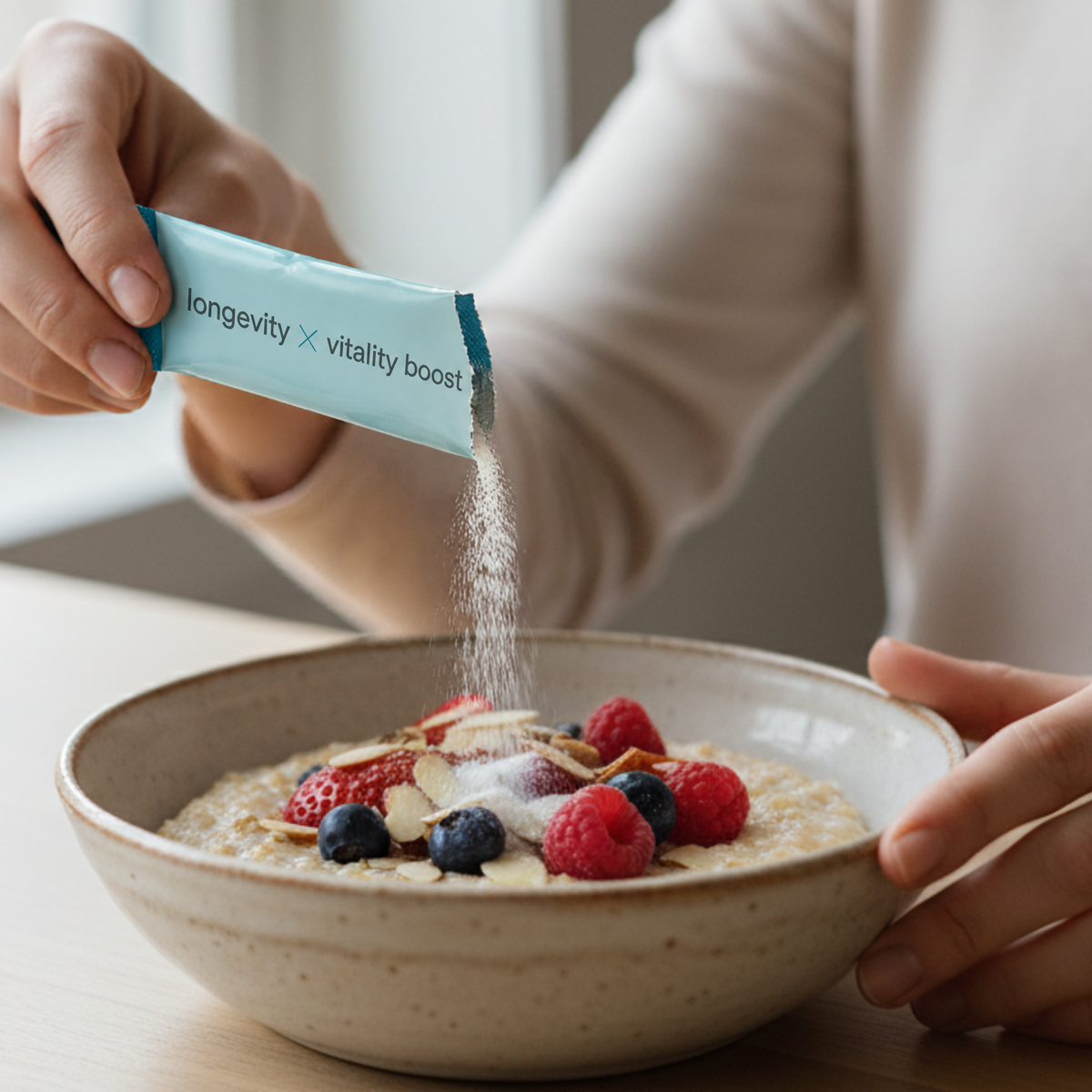
It supports you naturally – without sleeping pills, without habituation, without daytime tiredness. Just 1 sachet a day, easy to fit into your routine.
With glycine and magnesium, which calm the body and make it easier to fall asleep.
Thanks to cellular regeneration overnight – with NR and supporting micronutrients.
Cysteine and glycine have antioxidant effects and help reduce night-time stress.
For a clearer head and a steady start to the day, finally sleep right through.

Longevity X Core specifically supports your body where healthy sleep begins: in the nervous system and at the cellular level.
With daily use, you build a stable foundation for better sleep – without short-term sedatives.
What Our Customers Say
Jessica Wagner
No more tiredness in the afternoon, my immune system is stronger and I sleep better. I can only recommend the Core supplements!
Isabelle Debrunner
Great! Even the taste! I'm very happy!
Benjamin Koch
I'm on the move a lot and wanted something I can easily take with me. I'm really happy with Longevity Core.
What helps you fall asleep? - What you can do right now


Longevity Core for Trouble Falling Asleep
Frequently asked questions
Still have questions?
We're happy to advise you personally. Just write to us, we'll help you out.
How can I fall asleep better naturally?
A combination of fixed evening routines, a sleep-friendly environment and targeted micronutrients can help your body find calm again. Magnesium, glycine, NAC and melatonin precursors are especially important – they support your natural process of falling asleep without side effects.
Which nutrients help with trouble falling asleep or staying asleep?
Studies show that glycine, magnesium bisglycinate, NAC and nicotinamide riboside (NR) are particularly effective. They promote relaxation of the nervous system, reduce oxidative stress and improve sleep quality at the cellular level.
Can I take Longevity X Core long term?
Yes, Longevity X Core contains only natural, well-tolerated active ingredients that can be taken long term. Unlike conventional sleeping pills, it does not rely on sedation, but on systemic support of your sleep system.
How quickly does Longevity X Core work for sleep problems?
Many users report improved sleep quality after just a few days. The full effect develops within 2–4 weeks, as the product works on deeper regeneration and cellular balance – it doesn’t just numb you in the short term.
How does evening light affect sleep?
Blue light from smartphones, tablets or TVs inhibits the release of melatonin, the hormone that prepares the body for sleep. This shifts your natural sleep rhythm, and falling asleep takes longer.
Can stress make my sleep worse?
Yes. Ongoing stress activates the sympathetic nervous system, the “fight-or-flight” mode of the nervous system. In this state, it’s hard for the body to switch to the relaxing regeneration needed for falling asleep.
Can I combine Longevity X Core with other supplements?
Yes, the product is formulated so that it combines well with other dietary supplements. A combination with adaptogenic plant compounds, omega-3 or a gentle evening tea is especially useful – depending on your personal needs.
How much sleep do adults need?
Most adults need 7–9 hours of sleep per night. However, it’s not just duration that matters but also quality – deep, undisturbed sleep phases are essential for recovery and health.